
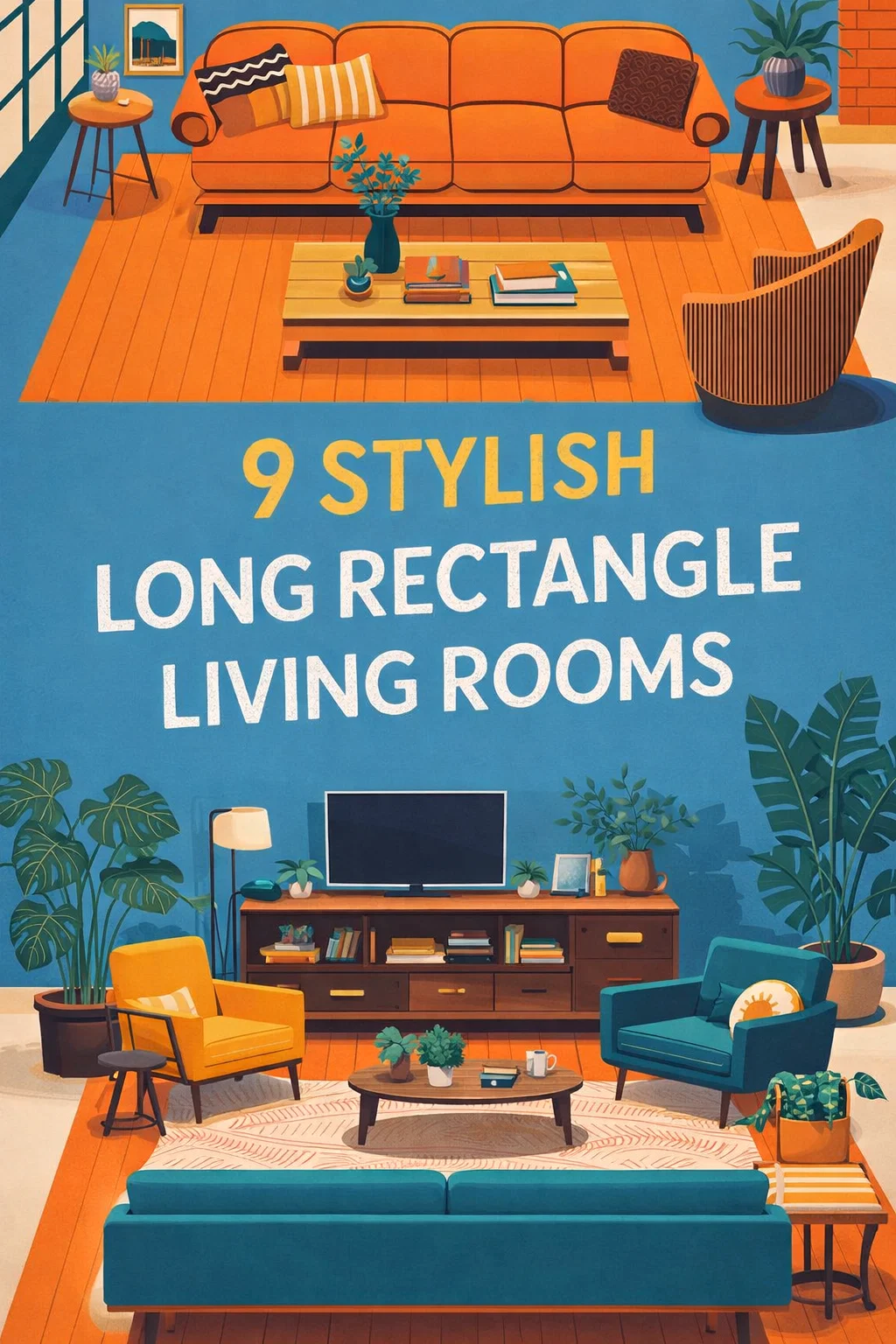
Creating a beautiful living room is a dream for many homeowners, but when you are faced with a long, narrow, or rectangular floor plan, that dream can quickly start to feel like a spatial puzzle. Most of us are used to square rooms where a sofa and two chairs naturally form a conversation circle. However, a long living room requires a different set of rules. The good news is that these “tunnel” spaces offer some of the most creative opportunities for zoning and multi-functional living. By shifting your perspective from one big open area to a series of curated vignettes, you can turn a challenging layout into a sophisticated, intentional retreat that flows perfectly.
The Geometry of Comfort: Why Rectangular Layouts Work
At first glance, a rectangular room can feel restrictive. You might worry about the “bowling alley” effect, where furniture pushed against long walls makes the space feel narrow and cold. But interior designers often prefer these shapes because they naturally lend themselves to zoning. In a square room, it is hard to fit a desk or a dining table without it feeling like it is encroaching on the lounge. In a long room, you have distinct segments of floor real estate that allow for specialized activities. The key is to embrace the length rather than trying to fight it.
Breaking the Tunnel Effect
To avoid that hallway feeling, you need to break up the sightlines. This does not mean cluttering the room with furniture, but rather placing items in a way that encourages the eye to move side to side rather than just straight down the middle. Using circular coffee tables, organic-shaped armchairs, and strategically placed rugs can soften the hard lines of a long rectangle and make the proportions feel much more balanced.
Strategic Furniture Placement for Long Rooms
The most common mistake in a long living room is lining every piece of furniture up against the longest wall. While this keeps the center of the room open, it actually emphasizes the narrowness. Instead, try pulling your sofa away from the wall. Even a few inches of “breathing room” behind a couch can make a space feel more expansive and high-end.
The Power of the Floating Sofa
If your room is wide enough, placing the sofa perpendicular to the long walls acts as a natural room divider. This creates a physical and visual break in the space. You can place a slim console table behind the sofa to add a surface for lamps and decor, which further helps to define the “living” zone from whatever lies beyond it, such as a dining area or an entryway path.
Using Low-Profile Pieces
In narrow spaces, vertical mass matters. Heavy, oversized furniture can make a long room feel claustrophobic. Opt for mid-century modern or minimalist styles with exposed legs. Being able to see the floor underneath your furniture creates an illusion of more space. Look for sofas with slim arms and chairs that feel light and airy. This allows light to circulate and prevents the room from feeling “weighted” at one end.
Creating Functional Zones
The secret to a successful long living room design is treating it like two or three smaller rooms combined into one. This approach maximizes utility and makes the room feel purposeful. Here are a few ways to divide your space effectively:
The Conversation Zone
This is usually the primary focus of the room. Center your main seating arrangement around a focal point like a fireplace, a television, or a large window. Use a large area rug to “anchor” this section. All the legs of your furniture should ideally sit on the rug to signify that this is a dedicated area for relaxing and chatting.
The Secondary Nook
What do you do with the extra five or ten feet at the end of the room? This is where you can get creative. A pair of stylish armchairs with a small side table makes for a perfect reading nook. Alternatively, you could install a low bookshelf or a small bistro table for morning coffee. By giving the “extra” space a specific job, you eliminate the awkward emptiness that often plagues long rooms.
Visual Tricks to Balance Proportions
Design is as much about psychology as it is about furniture. You can use color, light, and texture to trick the brain into seeing a more balanced space.
Rugs as Spatial Anchors
Rugs are the most effective tool for defining zones in a rectangular room. Instead of one long runner that emphasizes the length, use two separate rugs. For example, a plush Moroccan rug for the seating area and a flat-weave jute rug for the dining or office area. This tells the eye where one “room” ends and the next begins.
Lighting at Different Heights
If you only have overhead lighting, the corners of a long room will often fall into shadow, making the space feel cramped. Layer your lighting by using floor lamps, table lamps, and perhaps some wall sconces. Lighting the corners pulls the walls “outward” and adds a sense of warmth and depth to the entire layout.
Decorating Tips for a Cohesive Look
While you want the zones to feel distinct, they still need to feel like they belong to the same house. Maintaining a consistent color palette is the best way to achieve this. You can vary the textures—perhaps a velvet sofa in one zone and leather chairs in another—but keeping the underlying tones similar will ensure the room feels harmonious.
Using Greenery to Soften Edges
Potted plants are a designer’s best friend in rectangular rooms. Large leafy plants like a Fiddle Leaf Fig or a Monstera can fill awkward corners and break up the sharp angles of the walls. Placing a tall plant at the far end of a room creates a visual destination that draws the eye through the space in a pleasing way.
Art and Wall Decor
Avoid the temptation to create one giant gallery wall that spans the entire length of the room. This can make the wall feel like it goes on forever. Instead, focus your art in clusters within each zone. A large statement piece above the sofa helps anchor the living area, while a series of smaller prints might define a workspace at the other end. This reinforces the idea that the room is composed of several intimate areas.
Managing Traffic Flow
In a long room, the path people take to get from one side to the other is crucial. You don’t want guests to have to weave through a maze of furniture. Creating a clear “corridor” on one side of the room is often the most efficient layout. Keep the main furniture grouping on one side and leave a wide, straight path on the other. This ensures that the room remains functional even when it is full of people.
The L-Shaped Sectional Solution
An L-shaped sectional can be a lifesaver for long rooms. By placing the “L” part so it cuts across the width of the room, you automatically create a boundary. It provides plenty of seating while acting as a soft wall that separates the lounging area from the rest of the space. It is a stylish way to handle the “zoning” issue without needing extra furniture pieces.
The Importance of Negative Space
It is tempting to try and fill every inch of a long room to make it feel “full,” but negative space is actually your friend. Leaving some areas of the wall or floor bare allows the eye to rest and prevents the design from feeling cluttered. A minimalist approach often works best in rectangular layouts because it emphasizes the clean lines of the architecture.
Conclusion: Embracing Your Unique Space
A long, rectangular living room is not a design flaw; it is a blank canvas waiting for a thoughtful touch. By focusing on zoning, choosing the right furniture scales, and using visual anchors like rugs and lighting, you can create a space that is both functional and incredibly stylish. Remember that the goal is not to hide the shape of the room, but to highlight how versatile it can be. Whether you are hosting a lively party or curling up with a book in your new reading nook, a well-planned rectangular layout ensures that every foot of your home feels intentional and inviting. Take these ideas, experiment with your furniture, and watch as your long living room transforms into the most balanced and beautiful spot in your home.