
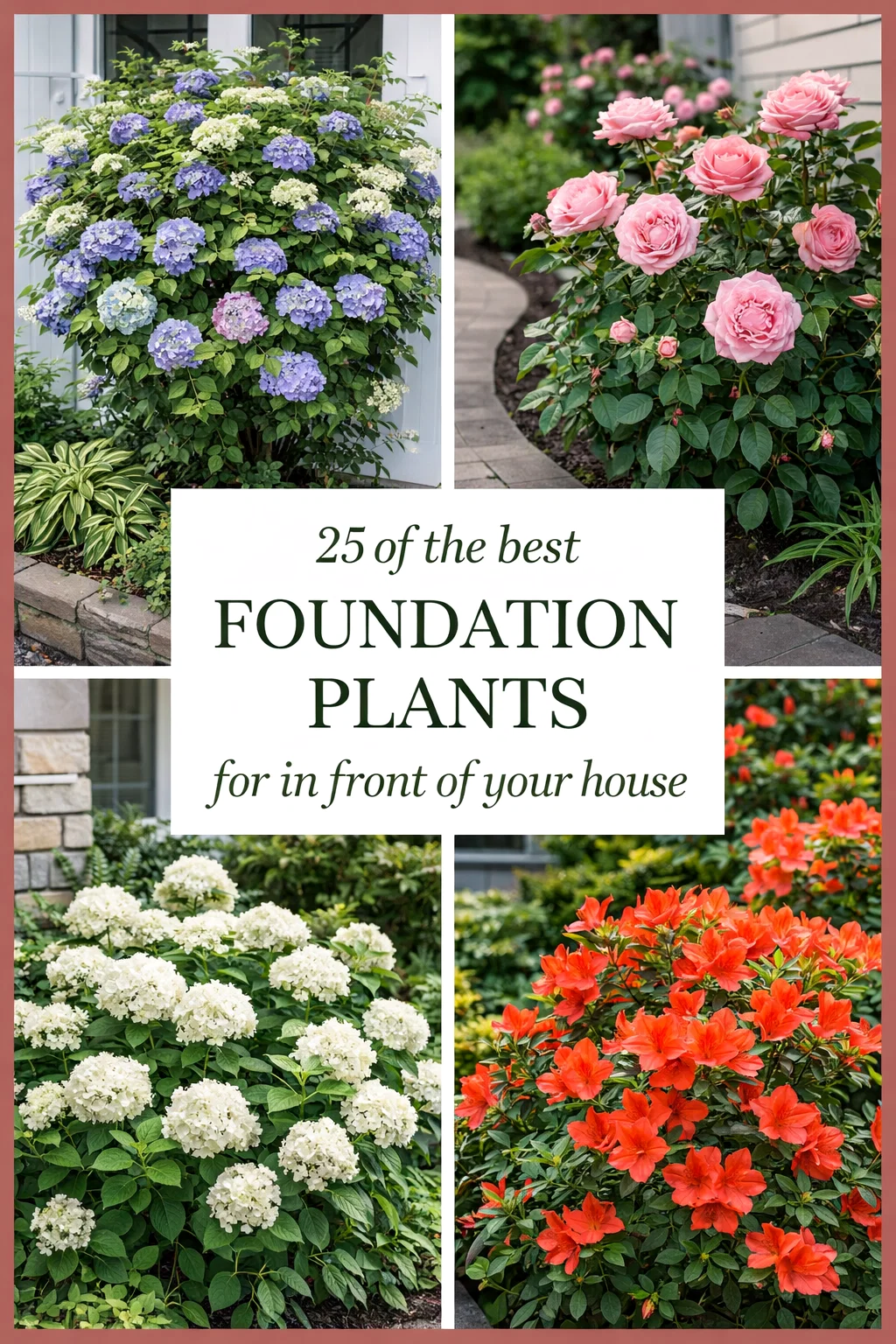
Transforming the exterior of your home begins with a thoughtful approach to landscaping. When you look at the front of a house, the foundation is often the first thing that catches the eye, yet it is frequently overlooked or hidden behind overgrown, mismatched greenery. The right foundation plants do more than just hide concrete; they act as a living transition between the architectural lines of your home and the natural beauty of your yard. By selecting a curated palette of perennials, shrubs, and textured foliage, you can create a welcoming atmosphere that enhances curb appeal and increases your property value. Whether you are a seasoned gardener or a homeowner looking for a weekend project, understanding how to layer these plants is the key to a professional looking result.
Understanding the Role of Foundation Plants
Foundation plants are the backbone of any front yard garden. Their primary purpose is to anchor the house to the site, softening the hard corners where the walls meet the ground. A well designed foundation planting scheme provides year round interest, ensuring that your home looks inviting even during the colder months. When you choose the right specimens, you create a cohesive look that guides the eye toward the front door, making the entrance the focal point of the entire property. It is not just about filling space; it is about intentional design that complements the style of your architecture.
Balancing Height and Scale
One of the most common mistakes in front yard landscaping is ignoring the scale of the house. For a two story home, you have the freedom to use taller shrubs and small ornamental trees at the corners to help ground the structure. For a ranch style or single story home, keeping the plants below the window line is crucial to prevent the house from looking swallowed by greenery. The goal is to create a tiered effect where the tallest plants are in the back, closest to the wall, with medium heights in the middle and low growing groundcovers at the very front edge of the bed.
Top Flowering Shrubs for Classic Curb Appeal
Flowers are the jewelry of the garden, and choosing the right flowering shrubs can provide massive bursts of color that stop passersby in their tracks. As seen in many high end landscapes, white and pink palettes are timeless choices that work well with almost any siding or brick color. These plants provide a sense of luxury and softness that structural evergreens sometimes lack.
The Elegance of White Peonies
Peonies are often considered the royalty of the spring garden. With their massive, bowl shaped blooms and intoxicating fragrance, they bring an air of sophisticated cottage charm to the front of a house. White peonies, in particular, offer a clean and crisp look that pops against dark green foliage. While their blooming window is relatively short, their lush, deeply lobed leaves remain attractive throughout the summer, providing a sturdy green backdrop for later blooming perennials. Planting them near a walkway allows guests to enjoy their scent as they approach your home.
Hydrangeas for Summer Drama
If you want a plant that carries the weight of the garden through the heat of summer, look no further than the hydrangea. Specifically, the bigleaf and panicle varieties are staples for foundation beds. Pink hydrangeas offer a soft, romantic feel and can bloom for weeks or even months depending on the variety. They thrive in areas with morning sun and afternoon shade, making them perfect for the east or north side of a house. Their large flower heads provide a dramatic contrast to smaller, more delicate garden features.
Focusing on Foliage and Texture
While flowers are beautiful, a garden built solely on blooms will look bare once the petals fall. Professional landscapers rely heavily on foliage plants to provide consistent color and texture from spring through late autumn. Mixing different leaf shapes and colors ensures that the garden remains visually stimulating even when nothing is currently in flower.
Hosta Varieties for Shady Foundations
Hostas are the undisputed champions of the shade garden. If the front of your house is shielded by large trees or faces north, hostas will be your best friend. They come in an incredible array of sizes and colors, from deep forest green to bright chartreuse and variegated patterns. A variegated hosta with creamy white edges is an excellent tool for brightening up dark corners. Their broad, heart shaped leaves provide a cooling effect and a structural contrast to the feathery leaves of nearby ferns or the woody stems of shrubs.
Incorporating Variegated Shrubs
Variegation is a secret weapon in landscape design. Plants that feature two tone leaves, such as a green leaf with a silver or gold border, act as a permanent source of light in the garden. These plants help break up the “wall of green” that can sometimes happen when too many similar shrubs are planted together. They work exceptionally well when tucked under windows or used as a border to define the edge of the flower bed against a lawn or driveway.
Design Principles for a Welcoming Entrance
Creating a beautiful flower bed involves more than just picking pretty plants at the nursery. Following a few basic design principles will help your DIY project look like it was handled by a pro. The way you arrange the plants determines how the eye moves across the front of your home.
The Power of Repetition
In design, repetition creates a sense of harmony. Rather than buying one of every plant you like, try to buy in groups of three or five. Repeating a specific type of hosta or a particular color of flowering shrub at intervals along the foundation ties the whole look together. It makes the garden feel like a single, unified composition rather than a collection of random plants. This is especially important for long, rectangular foundation beds that can otherwise look disjointed.
Layering for Depth
Think of your garden bed in three rows. The back row should consist of your structural foundation plants, usually evergreens or large deciduous shrubs that stay green for a long time. The middle row is for your showstoppers, like peonies and hydrangeas, which provide the main color interest. The front row is for low growing perennials, annuals, or groundcovers that spill over the edge of the bed. This layering technique hides the “legs” of the taller plants and creates a lush, full appearance that eliminates gaps where weeds might grow.
Practical Tips for Planting and Maintenance
A beautiful garden is a healthy garden. Taking the time to prepare your soil and maintain your plants will ensure that your front yard remains a source of pride for years to come. Proper installation is half the battle when it comes to landscaping success.
- Check Your Drainage: Foundation beds are often right next to the house where gutters drain. Ensure the ground slopes away from your foundation and that the soil is well draining so your plants do not get “wet feet.”
- Mulching Matters: Apply a two to three inch layer of organic mulch around your plants. This helps retain moisture, suppresses weeds, and gives the bed a finished, professional look. Avoid “mulch volcanoes” around the trunks of shrubs.
- Spacing is Key: It is tempting to plant things close together for an instant full look, but plants need room to grow. Check the mature width of each species and space them accordingly to prevent overcrowding and fungal issues.
- Seasonal Pruning: Different shrubs require pruning at different times. For example, spring blooming shrubs should be pruned right after they finish flowering, while others might need a trim in late winter.
Enhancing Your Garden with Hardscaping
While the plants are the stars, the elements around them also matter. Adding a stone border or a brick edge to your flower beds provides a clean line that separates the garden from the lawn. This not only looks great but also makes mowing and edging much easier. You might also consider adding low voltage landscape lighting to highlight your favorite flowering shrubs at night, extending the beauty of your front yard into the evening hours.
Conclusion: Your Home’s First Impression
The garden beds in front of your house are the first impression you give to the world. By choosing a mix of reliable foundation plants like hostas and hydrangeas, and adding the seasonal flair of peonies, you create a space that is both personal and professional. Gardening is an ongoing journey of discovery and growth, and your front yard is the perfect canvas to express your style. Start with a clear plan, focus on quality soil, and choose plants that thrive in your specific light conditions. With a little bit of dirt under your fingernails and some thoughtful planning, you can turn a plain exterior into a stunning landscape that brings joy to you and your neighbors every single day. Now is the perfect time to grab your shovel and start creating the curb appeal you have always dreamed of.