
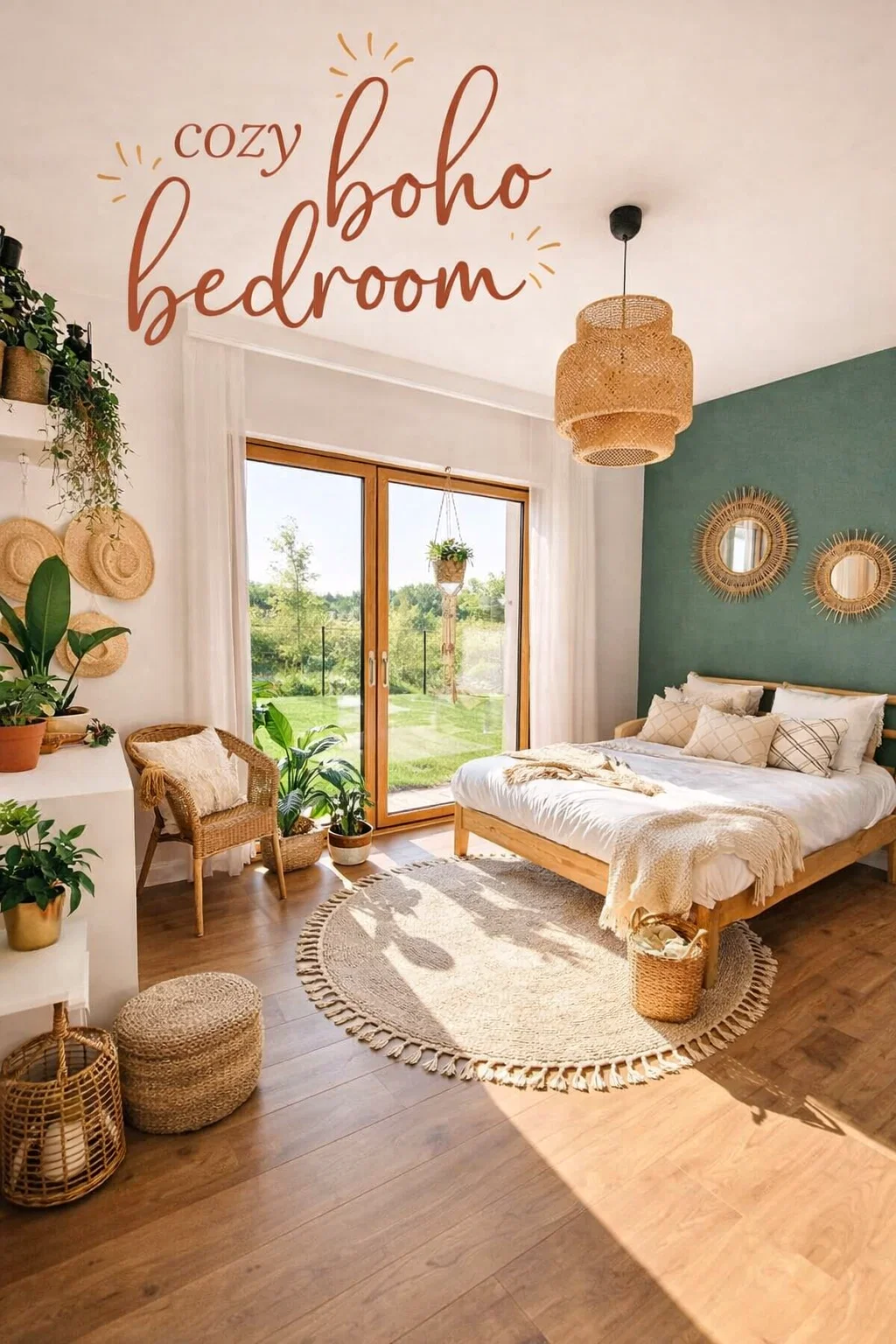
Creating a bedroom that feels both personal and professionally designed is a dream for many homeowners. When you look at a space that perfectly balances color, texture, and light, it can feel like magic. However, achieving that cohesive look is less about luck and more about understanding the core principles of interior design. By examining the elements of a successful room, we can break down the steps to recreate that same serene atmosphere in your own home.
The Foundations of the Modern Boho Bedroom
The term boho has evolved significantly over the last decade. While it once meant a chaotic explosion of patterns and colors, the modern interpretation is much more refined. It focuses on a minimalist base paired with organic textures. This style is often referred to as soft minimalism or organic modernism. The goal is to create a space that feels lived-in and comfortable but never cluttered.
The key to this aesthetic is the use of natural materials. Think of light wood tones, woven grasses, and soft cotton linens. These elements ground the room and provide a sensory experience that synthetic materials simply cannot replicate. When you walk into a room filled with wood and wicker, there is an immediate sense of warmth and breathability.
Embracing the Power of the Accent Wall
One of the most striking ways to define a bedroom is through a bold accent wall. In recent years, deep forest greens and muted sage tones have become the gold standard for creating a restful environment. Green is a color deeply rooted in nature, which naturally lowers stress levels and promotes a sense of tranquility. It provides a stunning backdrop for furniture and wall decor to pop against.
When choosing a color for your accent wall, consider the lighting in your room. A dark, moody green works beautifully in rooms with plenty of natural sunlight, as the light prevents the space from feeling too small. If your room is naturally darker, a softer sage or olive tone can provide that same earthy connection without making the walls feel like they are closing in. The contrast between a deep green wall and crisp white bedding creates a sophisticated look that is both modern and timeless.
Bringing the Outdoors In with Indoor Greenery
No boho-inspired room is complete without the addition of living plants. Beyond their aesthetic appeal, plants serve a functional purpose by purifying the air and adding humidity to the environment. They introduce a dynamic element to the decor because they are constantly growing and changing.
For those who may not have a green thumb, starting with hardy varieties is the best approach. Here are some excellent choices for a bedroom environment:
- Monstera Deliciosa: Known for its large, heart-shaped leaves with natural holes, this plant makes a bold architectural statement.
- Snake Plants: These are incredibly resilient and are famous for their ability to convert carbon dioxide into oxygen at night, making them ideal for sleeping quarters.
- Pothos: A trailing plant that looks beautiful cascading off a high shelf or hanging from the ceiling.
- ZZ Plant: This plant thrives in low light and requires very little water, perfect for busy individuals.
Placement is just as important as the type of plant you choose. Grouping plants in clusters of three at varying heights creates a more natural, forest-like feel. Using terracotta pots or woven baskets as planters helps maintain the organic theme of the room.
The Role of Lighting in Creating Atmosphere
Lighting is often the most overlooked element of interior design, yet it has the biggest impact on how a room feels. A single overhead light can make a room feel clinical and flat. To create a cozy sanctuary, you need to layer your lighting. This involves using different light sources at different levels to create depth and warmth.
Natural light should always be the priority during the day. Large windows and glass doors allow the sun to flood the space, highlighting the textures of your decor. Sheer curtains are a great way to maintain privacy while still letting the light filter through softly. For the evening, consider a statement pendant light made from rattan or bamboo. These materials create beautiful shadow patterns on the walls, adding a layer of visual interest that a standard glass fixture cannot provide.
Mastering the Art of Textural Layering
Texture is the secret ingredient that makes a room feel expensive and curated. When everything in a room has the same smooth surface, it feels cold. By mixing textures, you invite the eye to move around the space and create a sense of tactile comfort. This is especially important in a bedroom, where the primary goal is relaxation.
Selecting the Right Textiles
Start with your bed, as it is the focal point of the room. A wooden bed frame provides a sturdy, natural base. On top of that, layer high-quality linens. A linen duvet cover offers a relaxed, slightly wrinkled look that epitomizes the boho style. Add a chunky knit throw over the foot of the bed for extra warmth and a change in scale. Finally, use a mix of pillows in different fabrics, such as velvet, cotton, and woven wool, to create a plush, inviting surface.
The floor is another opportunity to introduce texture. A jute or sisal rug provides an earthy foundation, while a plush or tasseled rug layered on top adds softness underfoot. This layered rug look is a classic boho technique that adds instant character to any room.
Woven Accents and Wall Decor
Don’t stop at textiles; incorporate texture into your wall decor as well. Instead of traditional framed prints, consider woven wall hangings or macrame pieces. These items add a 3D element to your walls and soften the hard lines of the room. Small sunburst mirrors with rattan frames are also a fantastic choice. They reflect light and add a touch of vintage charm without being overwhelming.
Floating shelves are another great way to display textured items. Use them to hold a mix of ceramic vases, small plants, and wooden bowls. The goal is to create a curated collection that feels like it has been gathered over time rather than bought all at once from a single store.
Creating a Functional and Organized Space
A beautiful room is only successful if it is also functional. In a bedroom, this means having enough storage to keep clutter at bay. Clutter is the enemy of a peaceful mind, so finding stylish ways to organize your belongings is essential. White dressers or minimalist wardrobes blend into the walls, making the room feel larger and more open.
Use baskets for everything. Woven seagrass baskets can hold extra pillows, blankets, or even laundry. They look much better than plastic bins and fit perfectly with the natural aesthetic. Small trays on your nightstand or dresser can keep jewelry and daily essentials organized, preventing them from scattering across the surface.
The Importance of a Dedicated Seating Area
If space allows, adding a small seating area can transform your bedroom from just a place to sleep into a multi-functional retreat. A simple wicker chair in the corner creates a perfect spot for morning coffee or evening reading. It pulls the design away from the bed and makes the entire room feel more utilized. Decorate the chair with a small cushion that matches your bedding to tie the whole look together.
Final Thoughts on Designing Your Personal Sanctuary
Transforming your bedroom is an ongoing process of discovery. It is about finding the balance between what looks good and what makes you feel at home. By focusing on a palette of natural colors, incorporating plenty of greenery, and layering rich textures, you can create a space that is both stylish and incredibly restorative.
Remember that your home should be a reflection of your personality. While following design trends can provide a helpful roadmap, don’t be afraid to add personal touches that make the space uniquely yours. Whether it is a collection of books, a vintage find from a local market, or a plant you have nurtured for years, these are the details that turn a house into a home. Take your time, enjoy the process of decorating, and soon you will have the perfect sanctuary to retreat to at the end of every day.