
Transforming an open backyard into a functional sanctuary is a dream for many homeowners. When you look at a beautifully designed covered patio, it is easy to get swept away by the aesthetics of soft lighting, plush seating, and the promise of a breezy evening spent outdoors. However, there is a significant difference between a space that looks good in a photo and one that works perfectly for your lifestyle. Designing a covered outdoor living space requires a delicate balance of architectural planning, interior design principles, and a deep understanding of how weather and light affect your comfort.
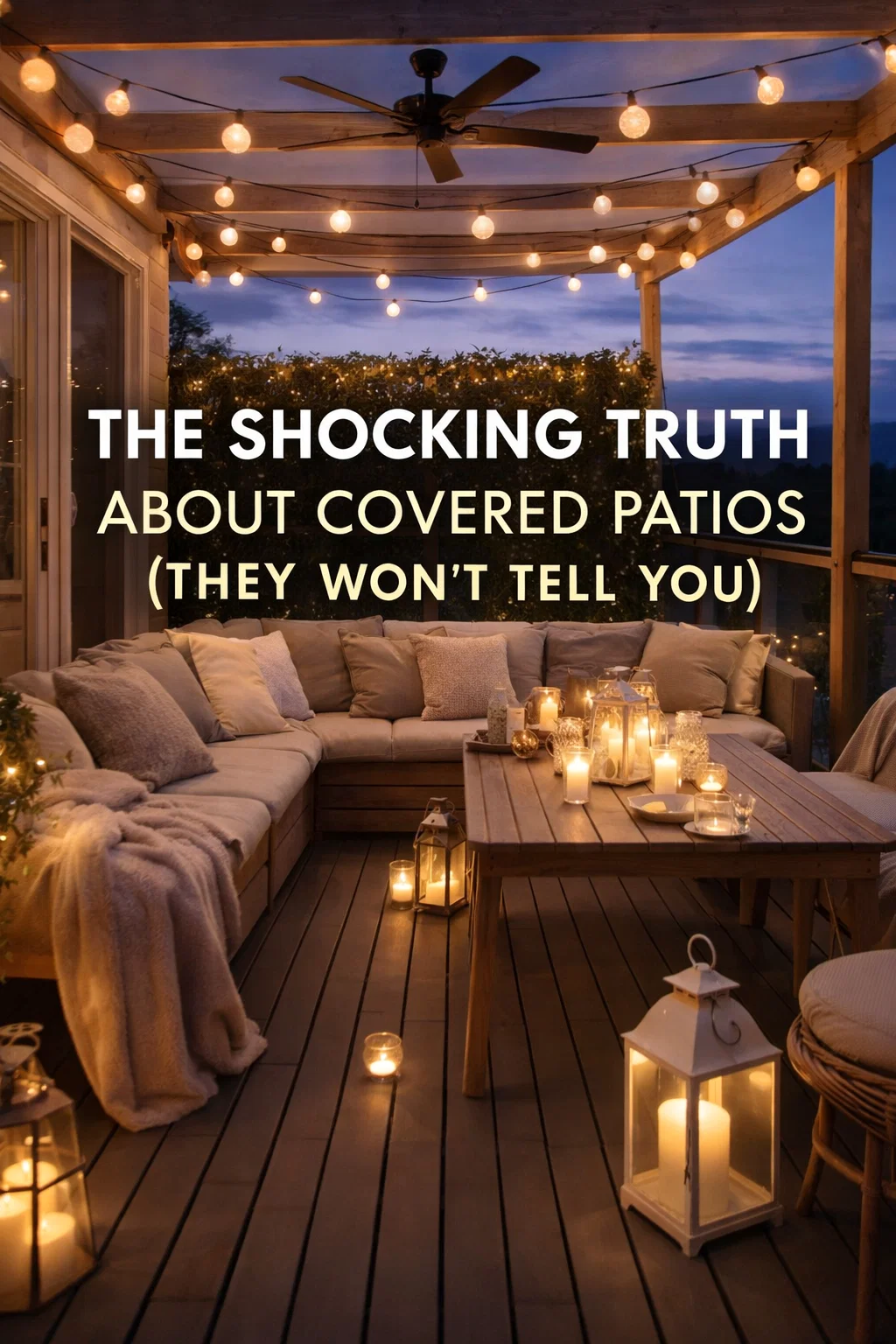
The image of a glowing, cozy deck at twilight captures the essence of what we all want: a seamless transition between the comfort of our indoor living rooms and the freshness of the outdoors. But before you pick out the furniture or hire a contractor, there are several hidden factors that can make or break your investment. In this guide, we will explore the nuances of covered patios, from the structural choices that impact your home value to the small decor details that turn a simple deck into a luxury retreat.
The Hidden Realities of Adding a Patio Cover
One of the first things no one tells you about covered patios is how much they can change the light levels inside your home. When you attach a solid roof to the back of your house, you are essentially creating a permanent shadow over the windows and glass doors that previously let sunlight into your kitchen or living room. While the outdoor space becomes a cool, shaded oasis, the interior of your home might suddenly feel a bit darker and more enclosed.
To avoid this, many designers suggest using translucent roofing materials or incorporating skylights into the patio cover. This allows natural light to filter through, maintaining the brightness of your indoor spaces while still providing the overhead protection you need outside. It is a small detail that often goes overlooked until the construction is finished and you find yourself turning on the lights inside at noon.
Understanding Airflow and Temperature Control
A common misconception is that a roof will automatically make an outdoor space cooler. While it blocks direct UV rays, a low-slung roof can actually trap heat if there is not enough clearance for air to circulate. This is especially true if the patio is enclosed on two or three sides by house walls or privacy screens. To keep the space comfortable during the peak of summer, consider the height of your ceiling. Higher ceilings allow hot air to rise and dissipate, while also providing enough room to install a stylish outdoor ceiling fan to keep the breeze moving.
Choosing the Right Foundation: Wood versus Composite Decking
As seen in the inspiration image, the flooring of your outdoor space sets the entire tone. Deep, dark wood tones create a sophisticated and grounded feeling that contrasts beautifully with light-colored cushions and warm lanterns. However, the material you choose for your floor is just as much about maintenance as it is about style. Natural wood decks offer a timeless beauty and a specific barefoot feel that is hard to replicate, but they require regular staining and sealing to prevent rot and fading from the elements.
Composite decking has become a massive trend for a reason. It offers the look of real wood with almost zero maintenance. It is resistant to mold, scratches, and fading, making it ideal for high-traffic areas or homes with pets and children. When selecting your flooring, think about the climate. Darker boards, while stunning, can absorb a significant amount of heat if they are exposed to the afternoon sun, potentially making the floor too hot for bare feet. In a covered setting, you have more flexibility with color since the roof provides that necessary shade.
Defining Zones for Maximum Functionality
The most successful outdoor living spaces are those that are designed with specific “zones” in mind. Even in a compact area, you can create a sense of organized luxury by separating your lounging area from your dining or cooking area. In the featured image, the L-shaped sectional creates a clear boundary for a conversation pit, while the adjacent table serves as a hub for dining or holding drinks and decor. This layout encourages movement and makes the space feel larger than it actually is.
- The Conversation Zone: Use deep-seated sofas, outdoor rugs, and coffee tables to create an area meant for relaxation.
- The Dining Zone: Ensure there is enough clearance around the table for chairs to be pulled out comfortably without hitting the patio edge.
- The Transition Zone: Keep walkways clear between the house door and the seating area to prevent a cluttered feel.
The Power of Lighting: Creating an Evening Ambience
Lighting is arguably the most important element in transition from day to night. The image perfectly illustrates how a combination of overhead string lights and ground-level lanterns can create a magical, inviting glow. This layered approach to lighting is what separates a basic backyard from a professional-looking retreat. String lights, often called “bistro lights,” provide a soft, festive canopy of light that makes the ceiling feel like a starry sky.
Complementing those overhead lights with lanterns, candles, or integrated LED floor lighting adds depth. Lanterns placed on the floor or on side tables provide a warm, flickering light at eye level, which is much more flattering and relaxing than harsh overhead floodlights. If you are building a permanent structure, consider wiring in dimmable recessed lighting. This gives you total control over the mood, allowing you to brighten the space for a dinner party or dim it down for a quiet night with a book.
Weatherproofing Your Decor
When you have a covered patio, you might be tempted to use indoor furniture to save money or achieve a specific look. However, even with a roof, outdoor furniture is subject to humidity, wind-blown rain, and temperature fluctuations. Look for furniture with powder-coated aluminum frames or high-quality teak that can withstand the moisture. For fabrics, always opt for solution-dyed acrylics like Sunbrella. These materials are UV-resistant and water-repellent, meaning your white cushions will stay white and won’t develop mildew after a humid week.
Adding the Finishing Touches: Textiles and Greenery
To make an outdoor space feel truly lived-in, you need to bring in elements typically reserved for the indoors. Throw pillows, blankets, and outdoor rugs add the “softness” that hard decks and wooden roofs lack. A chunky knit throw draped over a sofa not only looks cozy in photos but is incredibly practical for chilly autumn evenings. Choosing a color palette that complements your home’s interior will create a visual flow, making the patio feel like a true extension of your house.
Don’t forget the importance of plants. Even though you are outdoors, adding potted plants to your patio helps soften the corners and integrates the structure with the surrounding landscape. Large leafy palms can provide extra privacy, while fragrant herbs like lavender or mint can enhance the sensory experience of the space. Placing greenery near the entrance of the patio creates an inviting gateway that draws people out of the house.
Maximizing Privacy in a Suburban Setting
Privacy is often a major concern for homeowners with neighbors close by. A covered patio provides a head start on privacy by blocking the view from upper-story windows of adjacent houses. To further enhance this sense of seclusion, consider adding outdoor curtains or lattice screens. Curtains add a romantic, resort-like feel and can be closed to block out the setting sun or a neighbor’s yard. If you prefer a more natural look, a “living wall” or a row of tall planters can act as a beautiful, breathable fence.
The Investment Value of a Covered Living Space
Beyond the personal enjoyment, a well-executed covered patio is a smart financial move. Modern homebuyers are increasingly looking for “move-in ready” outdoor spaces. By creating a high-quality, durable area that functions as an extra room, you are significantly increasing the usable square footage of your property. Unlike a simple concrete slab, a covered deck with lighting and quality materials suggests a lifestyle of luxury and ease, which can be a major selling point in the real estate market.
Conclusion: Bringing Your Vision to Life
Building a covered outdoor living space is about more than just construction; it is about creating a backdrop for memories. Whether it is a late-night conversation by candlelight or a quiet morning coffee while listening to the rain hit the roof, these spaces offer a unique connection to nature without sacrificing comfort. By considering the light, airflow, materials, and lighting, you can avoid the common pitfalls and build a patio that you will love for years to come.
The key is to start with a clear plan and focus on quality over quantity. Even a small corner of your yard can be transformed into a high-end retreat with the right lighting and furniture. Use the inspiration from the glowing evening deck to guide your choices, but tailor them to your specific environment and needs. Your dream outdoor sanctuary is within reach, and with a little bit of foresight, it will be a place where you never have to worry about regret.