
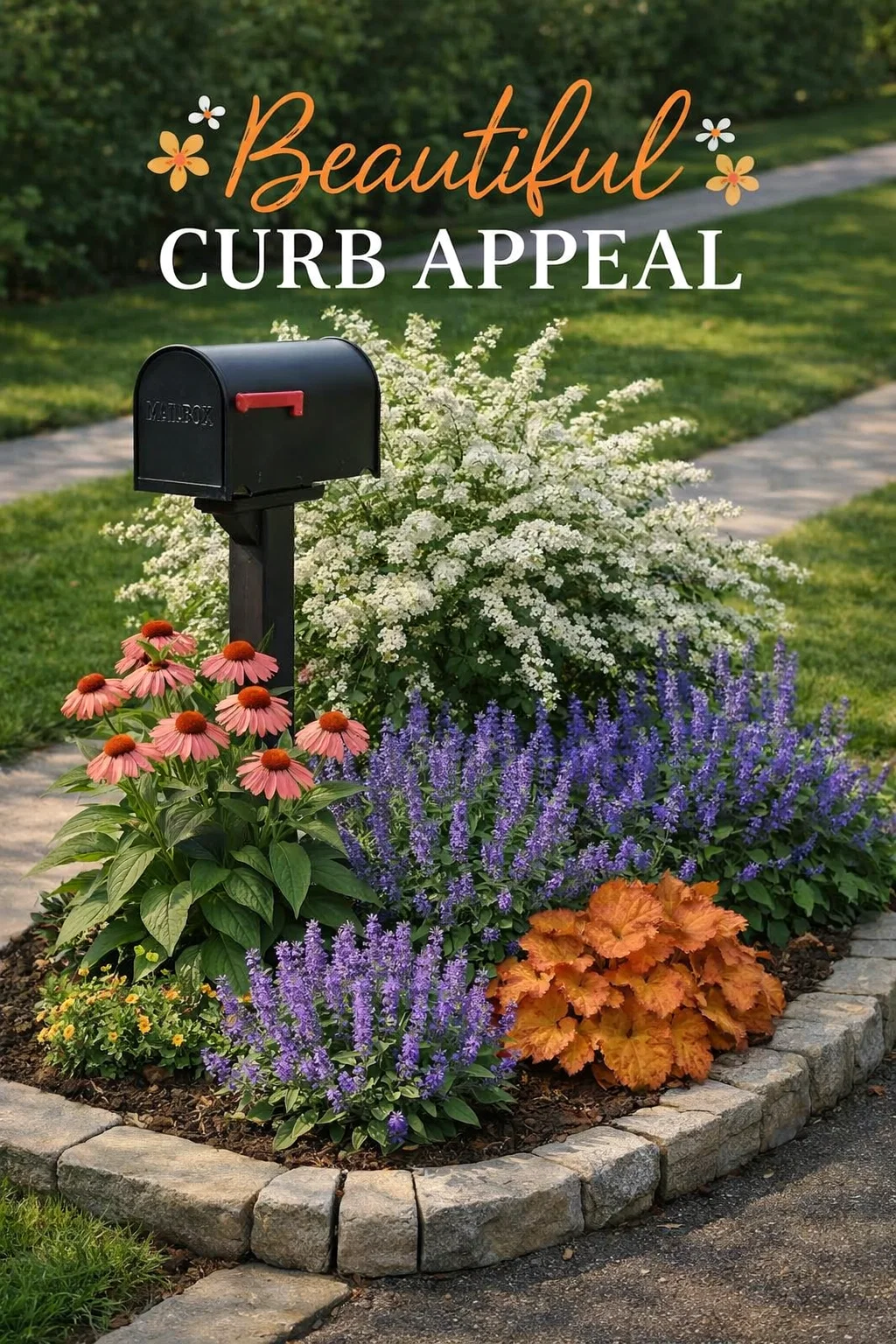
Creating a beautiful first impression for your home starts right at the curb. One of the most effective ways to boost curb appeal is by transforming the often-overlooked space around your mailbox into a vibrant, welcoming garden. A well-designed mailbox flower bed serves as a focal point that ties your entire landscape together, providing a splash of color and texture that greets you every time you pull into the driveway. By selecting the right mix of hardy perennials and shrubs, you can create a low-maintenance display that looks professional and polished throughout the seasons.
Choosing the Perfect Plants for a Mailbox Garden
When designing a garden bed for the front of your house, the key is to select plants that offer a variety of heights, colors, and textures. The goal is to create a layered effect that feels lush and intentional. For a classic yet vibrant look, consider a combination of flowering shrubs and reliable perennials that can handle the specific conditions of a roadside environment, such as heat reflection from the pavement and occasional salt or wind exposure.
The Anchor: Flowering Shrubs
Every small garden bed needs an anchor. A medium-sized flowering shrub, such as a Spirea or a dwarf Hydrangea, provides a solid backdrop for smaller flowers. In a sunny spot, a white-flowering shrub creates a clean, bright contrast against the green lawn and the dark post of the mailbox. These shrubs offer structure even when they are not in full bloom, ensuring the bed doesn’t look empty during the off-season.
Adding Vertical Interest with Salvia and Lavender
To bring movement and a sense of verticality to the bed, upright perennials like Salvia or Lavender are excellent choices. Their spiky blooms draw the eye upward and provide a beautiful cool-toned contrast to warmer flower colors. These plants are also famous for attracting pollinators like bees and butterflies, turning your mailbox area into a mini-sanctuary for local wildlife. They are generally drought-tolerant once established, which is a major plus for a garden bed that might be far from a hose reach.
The Reliable Charm of Coneflowers
Echinacea, commonly known as Coneflowers, are a staple in the sunny front yard landscape. With their prominent centers and drooping petals, they offer a rustic, cottage-garden feel. They are incredibly hardy and come in a wide range of colors from traditional pink and purple to vibrant oranges and yellows. Because they bloom for an extended period in the summer, they ensure your mailbox garden stays colorful during the hottest months of the year.
Color Theory in Landscape Design
A professional-looking garden often relies on a smart use of color theory. While it is tempting to plant every flower you love, a curated color palette creates a more harmonious and high-end look. Using complementary colors, those opposite each other on the color wheel, can make your garden truly pop.
Pairing Purples and Oranges
One of the most striking combinations in garden design is the pairing of deep purples with bright oranges or copper tones. The cool tones of purple Salvia or Catmint provide a calming base, while the warmth of orange flowers or foliage creates a focal point that demands attention. This high-contrast look is particularly effective for small beds because it makes the space feel more dynamic and energetic.
Utilizing Colorful Foliage
Don’t rely solely on flowers for color. Plants like Heuchera, also known as Coral Bells, offer stunning foliage in shades of lime green, deep purple, and burnished bronze. Adding a plant with colorful leaves ensures that even when nothing is currently blooming, your garden bed remains visually interesting. Heuchera has a mounded growth habit that works perfectly as a “filler” plant in the front or middle of a flower bed.
Step-by-Step Guide to Planting Your Mailbox Bed
Before you start digging, a little bit of preparation goes a long way in ensuring your plants thrive. Follow these steps to set up a garden that will last for years to come.
Clear the Area and Prepare the Soil
Start by removing any grass or weeds around the mailbox post. Define the shape of your bed; a curved edge often looks more natural and appealing than a sharp rectangle. Once the area is clear, turn the soil and mix in some high-quality compost. This improves drainage and provides the essential nutrients your new plants need to establish strong root systems.
Arrange Before You Plant
Before taking the plants out of their plastic nursery pots, set them in the bed to see how they look together. Place the tallest plants, like your flowering shrub, closest to the mailbox post or at the back of the bed. Medium-height plants like Coneflowers go in the middle, and shorter, mounding plants like Heuchera or small Salvia varieties go along the edges. Spacing is crucial; check the plant tags to see how wide they will grow so they don’t crowd each other out in a year or two.
Planting and Initial Watering
Dig holes that are twice as wide as the root ball but no deeper. Once planted, press the soil down firmly to remove air pockets. Give everything a deep soak immediately after planting. Even drought-tolerant plants need consistent moisture for the first few weeks as they settle into their new home.
Maintaining Your Front Yard Flower Bed
The beauty of using perennials is that they come back year after year, but they still require a bit of maintenance to stay looking their best. A few simple tasks throughout the year will keep your curb appeal at its peak.
The Power of Mulching
Applying a layer of wood mulch is perhaps the single most important maintenance task. Mulch helps retain moisture in the soil, which is vital for roadside beds that can dry out quickly. It also suppresses weeds and gives the garden a clean, finished look. A dark brown or black mulch provides a beautiful contrast against the green foliage and colorful blooms.
Deadheading and Pruning
To encourage your perennials to produce more flowers, practice “deadheading,” which is simply removing the faded blooms. This prevents the plant from putting energy into seed production and instead directs it back into creating more flowers. For your anchor shrub, a light pruning in late winter or early spring will help maintain its shape and encourage fresh growth.
Seasonal Cleanup
In late autumn or early spring, cut back the dead foliage of your perennials to the ground. This makes way for the new shoots to emerge. If you have a tidy mailbox garden, your neighbors will appreciate the effort, and you will enjoy a fresh burst of growth every spring.
Design Tips for Small Spaces
When working with a small footprint like the area around a mailbox, every plant counts. You want to maximize impact without making the space look cluttered or messy.
- Repeat Colors: Use the same color in different parts of the bed to create a sense of unity.
- Vary Textures: Pair fine-textured plants like Lavender with bold-leaved plants like Heuchera for visual contrast.
- Consider the View: Make sure the garden looks good from the street as well as from your front door.
- Use Edging: A stone or brick border keeps the mulch in place and prevents grass from creeping into your flower bed.
Conclusion
Transforming the space around your mailbox into a flourishing flower bed is one of the most rewarding weekend projects a homeowner can undertake. By combining structural shrubs with colorful perennials like Salvia, Coneflowers, and Heuchera, you create a layered and sophisticated look that enhances your home’s exterior. This small but mighty garden not only boosts curb appeal but also provides a cheerful greeting for guests and a vital habitat for pollinators. With a bit of planning and minimal maintenance, your mailbox garden will become a highlight of your landscape for many seasons to come. Start small, choose plants that love your climate, and watch as your front yard comes to life with color and texture.