
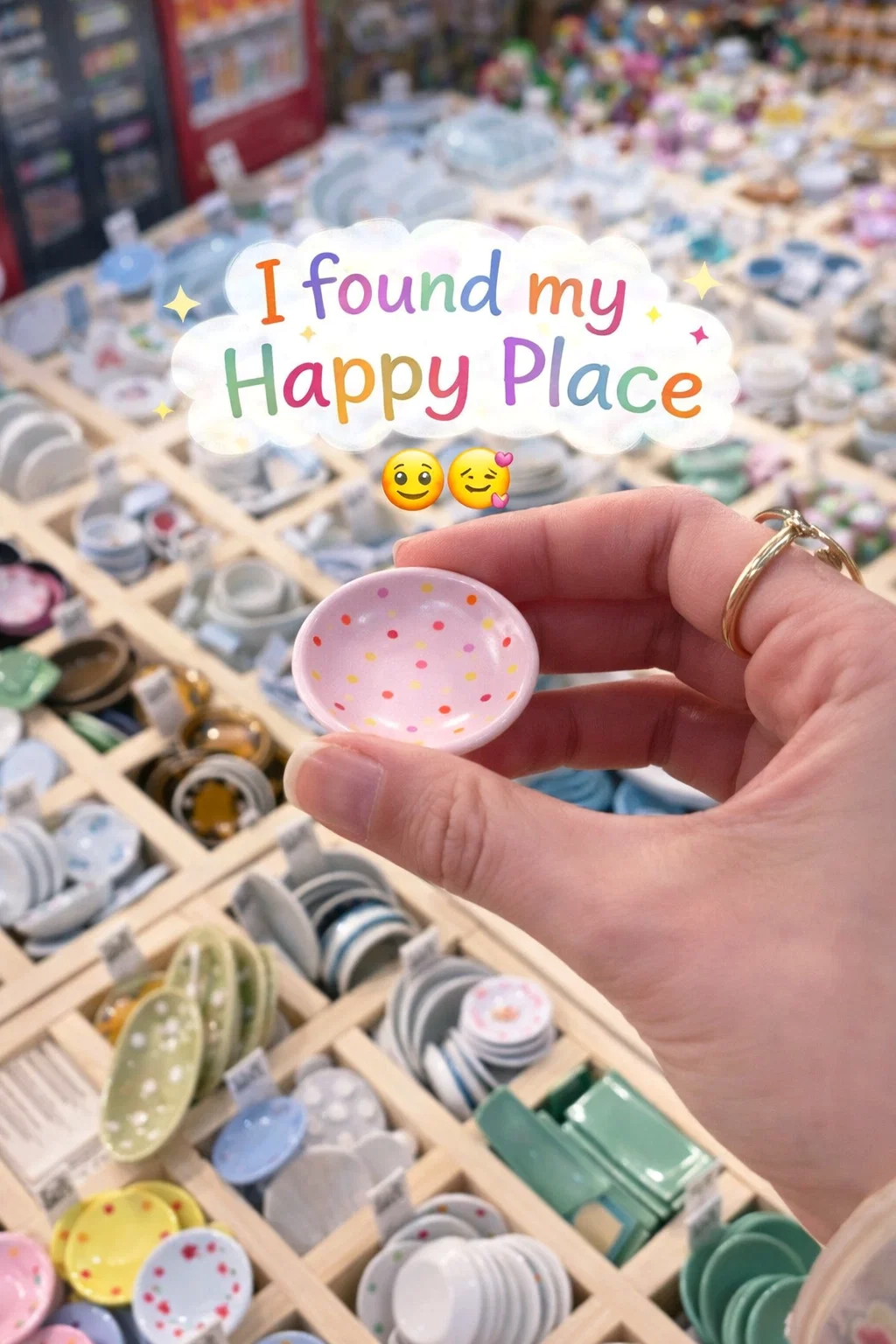
There is something inherently magical about seeing the world through a smaller lens. When we look at a tiny, hand-painted ceramic plate that fits perfectly on the tip of a finger, it triggers a sense of wonder that few other hobbies can replicate. This is the world of miniatures, a space where craftsmanship meets imagination, and where every small detail tells a massive story. For those who find themselves lost in the aisles of miniature shops or scrolling through endless feeds of tiny kitchen setups, you know exactly what that happy place feels like. It is a hobby that combines nostalgia, artistic precision, and a unique form of mindfulness that helps us slow down and appreciate the little things, literally.
The Universal Allure of the Miniature World
Why are we so obsessed with tiny things? Psychologists often suggest that miniatures give us a sense of control and perspective. In a world that often feels chaotic and overwhelming, managing a tiny kitchen or a perfectly curated dollhouse provides a comforting sense of order. When you hold a miniature plate, you are holding a masterpiece of scale. Every stripe, every floral pattern, and every glaze finish has been executed with a level of care that rivals full-sized art pieces. This fascination transcends age and culture, bringing together people who appreciate the patience required to create beauty on such a small scale.
The rise of social media has only fueled this passion. Communities dedicated to miniature ceramics and dollhouse DIY projects have exploded, allowing creators to share their micro-worlds with millions. Seeing a hand reach into a frame to place a tiny saucer or a set of micro-bowls creates a satisfying visual experience that many describe as therapeutic. It is more than just a collection; it is an escape into a world where everything is manageable, beautiful, and remarkably detailed.
Understanding Scale: The Language of Miniatures
For those new to the hobby, navigating the different sizes can be a bit confusing. The most common scale in the world of miniatures is 1:12, also known as one inch scale. This means that one inch on the miniature object represents twelve inches in the real world. Most of the exquisite ceramic plates and tea sets you see in professional displays adhere to this standard, making it easy for collectors to mix and match items from different artists.
Common Miniature Scales Explained
- 1:12 Scale: The gold standard for dollhouses and high-end collectibles.
- 1:24 Scale: Also known as half-inch scale, these items are significantly smaller and require even steadier hands.
- 1:6 Scale: Often associated with fashion dolls like Barbie, providing a more modern and playful approach to miniatures.
- 1:144 Scale: Known as micro-scale, where you might actually see a dollhouse inside a dollhouse.
Choosing a scale is the first step in building your happy place. While 1:12 offers the most variety and detail, some enthusiasts enjoy the challenge of even smaller scales, where the work becomes almost microscopic. Regardless of the size, the goal is always the same: to achieve a level of realism that makes the viewer forget they are looking at a toy.
The Art of Miniature Ceramics and Pottery
Not all miniatures are created equal. While plastic versions are common for play, serious collectors seek out authentic materials like ceramic, porcelain, and stoneware. Creating a ceramic plate that is less than an inch wide requires specialized tools and a lot of patience. These pieces are often thrown on a miniature pottery wheel or hand-pressed into tiny molds before being fired in a kiln just like real dinnerware.
The painting process is where the true magic happens. Artists use brushes with only a few hairs to apply intricate patterns, such as the colorful stripes or delicate floral motifs seen on high-quality miniature plates. Once painted, a clear glaze is applied and the piece is fired again to give it that characteristic shine. When you touch a miniature ceramic plate, it feels cold and smooth, just like a full-sized heirloom. This tactile quality is what makes ceramic miniatures so much more desirable than their plastic counterparts.
Building Your Own Miniature Collection
Starting a collection can feel daunting because there is so much to choose from. Many people begin by picking a theme. Perhaps you want to recreate a cozy French bistro kitchen, or maybe you are drawn to the aesthetic of a vintage 1950s diner. By focusing on a specific theme, your collection will feel cohesive and intentional.
Tips for Aspiring Collectors
- Start with Essentials: Focus on basic dinnerware like plates, bowls, and mugs before moving into specialized decor.
- Quality over Quantity: It is better to have five beautifully hand-painted ceramic pieces than fifty plastic ones.
- Mix Modern and Vintage: Combining different styles can give your miniature scene a lived-in, realistic feel.
- Invest in Lighting: Proper lighting can highlight the glaze and detail of your tiny ceramics, making them pop in displays.
Remember that building a collection is a journey, not a race. Part of the fun is hunting for that perfect piece at a craft fair, an estate sale, or an online artisan shop. Each tiny plate you add to your shelf represents a moment of discovery and a new addition to your miniature narrative.
How to Display Your Tiny Treasures
Once you have gathered a selection of tiny ceramics, you need a way to show them off. Because they are so small, they can easily get lost or look like clutter if not displayed correctly. A popular choice for collectors is the shadow box. These wall-mounted frames have small compartments that are perfect for highlighting individual pieces or small sets. It keeps the items dust-free while allowing them to be viewed at eye level.
Another creative way to display miniatures is through room boxes. A room box is a single-room diorama that focuses on a specific scene, like a kitchen corner or a dining room table. This allows you to set the stage, using your ceramic plates as part of a larger story. You can add miniature linens, tiny silverware, and even faux food to bring the scene to life. For those who prefer a more minimalist look, glass cloches or tiered jewelry stands can serve as elegant pedestals for your favorite tiny finds.
The Therapeutic Benefits of the Miniature Hobby
In today’s fast-paced digital age, the miniature hobby offers a much-needed screen-free outlet. The act of arranging tiny plates or painting a small pattern requires a high level of concentration, which often leads to a state of flow. This focused attention acts as a form of meditation, helping to reduce stress and anxiety. There is a deep satisfaction in completing a small task perfectly, and in the world of miniatures, every task is small.
Furthermore, the community aspect of this hobby provides a sense of belonging. Whether through online forums, local clubs, or social media groups, collectors love to share tips, trade items, and celebrate each other’s work. It is a supportive environment where “being obsessed with tiny stuff” is not just accepted but encouraged. Sharing your happy place with others who understand the joy of a micro-pottery find makes the experience even more rewarding.
Future Trends in the Miniature World
As technology advances, so does the world of miniatures. 3D printing has revolutionized how enthusiasts create their own items. It is now possible to design a complex chair or a detailed plate on a computer and print it out in minutes. However, even with the rise of 3D printing, the demand for hand-crafted ceramic pieces remains high. People still value the “soul” of a hand-painted object and the unique imperfections that come with traditional craftsmanship.
We are also seeing a trend toward more diverse and inclusive miniature scenes. Collectors are moving away from traditional Victorian dollhouses and creating modern apartments, plant-filled lofts, and culturally diverse kitchens. This evolution ensures that the hobby remains relevant and exciting for new generations of makers and collectors who want to see their own lives reflected in miniature form.
Conclusion: Finding Joy in the Little Things
The world of miniatures is a testament to the fact that you do not need much space to have a big imagination. Whether you are holding a single striped ceramic plate or standing before a massive, multi-story dollhouse, the feeling of joy is the same. It is a hobby that celebrates patience, artistry, and the simple delight of discovery. By curating your own tiny world, you create a sanctuary that reflects your personality and your passions.
If you have been thinking about starting your own miniature journey, there is no better time than now. Start small, look for pieces that make you smile, and remember that every expert collector started with just one tiny item. Whether it becomes a lifelong passion or a relaxing weekend distraction, the world of miniatures is waiting to welcome you to your new happy place. Keep exploring, keep collecting, and never stop appreciating the incredible beauty found in the smallest corners of our world.