
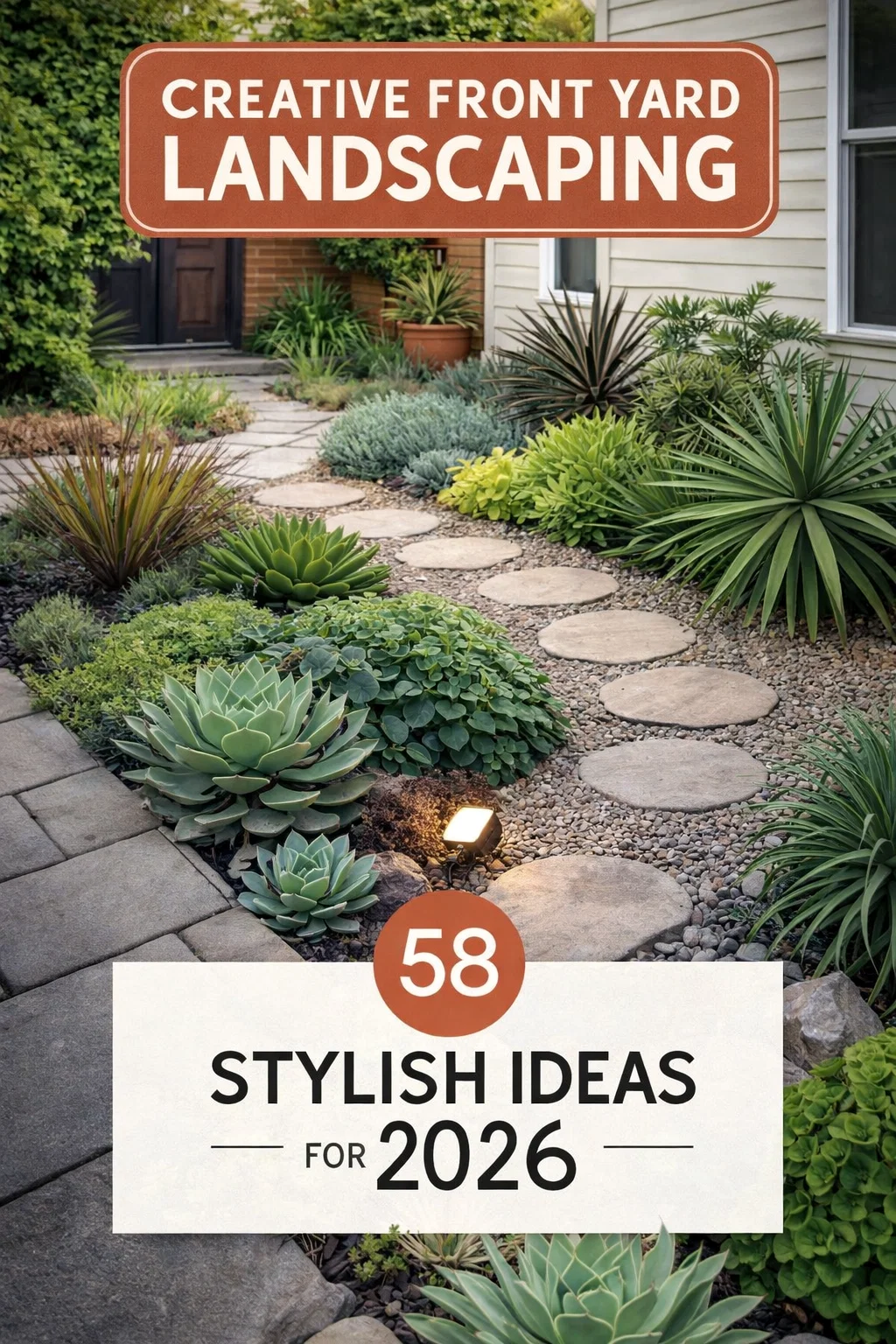
Transforming your front yard is more than just a weekend project. It is an opportunity to redefine your home’s identity and create a welcoming atmosphere that begins the moment you pull into the driveway. For many homeowners, the challenge lies in balancing aesthetic beauty with manageable maintenance. The good news is that modern landscaping trends are shifting toward sustainable, low-impact designs that look sophisticated without requiring hours of weekly upkeep. By focusing on structural elements like stone pathways, drought-tolerant plants, and strategic lighting, you can achieve a professional look that enhances your home’s curb appeal for years to come.
The Shift Toward Low Maintenance Elegance
Gone are the days when a perfectly manicured, thirsty green lawn was the only standard for a beautiful front yard. Today, homeowners are embracing textures and variety. Low-maintenance elegance is about choosing materials and plants that thrive naturally in your environment. This approach often incorporates xeriscaping principles, which prioritize water conservation without sacrificing style. By replacing large grassy areas with a combination of gravel, mulch, and hardy perennials, you reduce your water bill and your chores simultaneously.
In a modern front entry design, every element serves a purpose. Large architectural plants like agaves or yuccas provide focal points, while smaller groundcovers fill the gaps with lush greenery. This layered approach ensures that the garden looks full and intentional, rather than sparse. The use of inorganic groundcovers like pea gravel or river rock also helps with drainage and prevents weed growth, keeping your entryway looking pristine with minimal intervention.
Creating a Defined Path to Your Door
The walkway is the most functional part of your front yard landscaping, but it should also be a design highlight. A well-designed path guides the eye and the feet toward the entrance, making the home feel more inviting. One of the most popular trends in contemporary landscaping is the use of oversized pavers or “steppers” set into a bed of gravel or decorative stone. This creates a rhythmic, modern look that feels much more organic than a solid concrete sidewalk.
Choosing the Right Materials for Your Walkway
- Natural Flagstone: Offers an earthy, timeless feel with unique shapes and colors.
- Concrete Pavers: Provide a clean, geometric look that complements modern architecture.
- Decomposed Granite: A budget-friendly option that provides a soft, crunchy texture underfoot.
- River Rock: Perfect for filling gaps between larger stones and providing excellent drainage.
When planning your path, consider the scale of your house. A narrow path can feel cramped, while a wider walkway suggests grandeur and ease. Curving paths offer a sense of discovery, leading visitors through the garden, while straight paths provide a direct, formal approach. Mixing materials, such as placing smooth circular concrete steps within a bed of dark grey gravel, adds a layer of sophistication and contrast that makes the entryway pop.
The Power of Plant Texture and Contrast
Visual interest in a garden comes from contrast. This is achieved by playing with the different shapes, colors, and textures of your foliage. For a front entry, you want a mix of “architectural” plants and “softening” plants. Architectural plants, such as the spiky Blue Glow Agave or the upright New Zealand Flax, provide strong lines and a sense of permanence. Softening plants, like ornamental grasses or creeping thyme, flow over edges and add movement to the landscape.
Top Drought-Tolerant Plants for Curb Appeal
Succulents and Mediterranean plants are excellent choices for front yards because they are incredibly resilient. Consider these varieties for your next project:
- Agave Attenuata: Known as the Fox Tail Agave, its soft, curved leaves provide a sculptural element without the sharp spines.
- Senecio Mandraliscae: Often called Blue Chalksticks, this groundcover provides a stunning pop of cool blue color.
- Echeveria: These rosette-shaped succulents come in various colors and work perfectly in clusters near the walkway.
- Lomandra Longifolia: An evergreen grass that stays green even in harsh conditions, perfect for adding texture.
Grouping plants with similar water needs together is a smart gardening technique known as hydrozoning. This ensures that your succulents are not overwatered while your thirstier shrubs get the hydration they need. Using dark mulch or black lava rock around lighter green plants creates a high-contrast look that makes the colors of the garden appear more vibrant and saturated.
Incorporating Hardscape as a Design Anchor
Hardscaping refers to the non-living elements of your yard, such as walls, rocks, and paths. In a modern front entry, hardscape is often the “bones” of the design. Large boulders can be used as natural sculptures, breaking up flat areas and adding a sense of weight to the garden. When placed strategically, a single large rock can make a small garden bed feel more established and professional.
Retaining walls or raised planters are another great way to add dimension. If your front yard has a slope, creating tiers with stone or wood can prevent erosion and provide different levels for planting. This verticality makes a small yard feel much larger and more complex. Even on flat ground, a slightly raised garden bed near the entrance can help define the space and keep the soil contained, leading to a neater overall appearance.
The Essential Role of Landscape Lighting
Your landscaping should not disappear once the sun goes down. In fact, professional lighting can make a front entry look even more dramatic and high-end at night. Exterior lighting serves two main purposes: safety and aesthetics. Properly lit paths prevent trips and falls, while accent lighting highlights the best features of your garden.
Lighting Techniques to Try
- Uplighting: Placing a spotlight at the base of a tree or a large agave to cast dramatic shadows upward.
- Path Lighting: Low-profile fixtures that direct light downward onto the walkway to guide guests safely.
- Moonlighting: Placing lights high up in tree branches to create a soft, filtered glow that mimics natural moonlight.
- Wall Washing: Aiming a wide beam of light at a flat surface, like the front of the house or a retaining wall, to highlight its texture.
Solar-powered lights are an easy, wire-free option for many homeowners, but for a truly polished look, a low-voltage LED system is often preferred. These systems are energy-efficient and allow for more control over the brightness and placement of each bulb. A well-lit entryway feels safer and more welcoming, providing a warm glow that greets you every time you return home after dark.
Sustainability and the Future of Gardening
As we move into 2026 and beyond, sustainability is becoming a core component of home design. This means choosing native plants that support local pollinators like bees and butterflies. It also means reducing the use of chemical fertilizers and pesticides. A healthy garden is a living ecosystem. By choosing the right plants for your climate, you create a space that requires fewer resources to maintain.
Mulching is one of the simplest ways to improve the health of your garden. A thick layer of organic mulch helps retain moisture in the soil, regulates temperature, and eventually breaks down to provide nutrients back to the earth. If you prefer a more modern look, inorganic mulches like gravel or crushed stone provide many of the same benefits without the need for annual replacement. This long-term thinking is the hallmark of a successful landscaping plan.
Final Touches for a Polished Entrance
Once the big elements like paths and plants are in place, it is the small details that complete the look. Consider your house numbers. Replacing old, dated numbers with modern, sleek typography can have a surprisingly large impact on curb appeal. Similarly, a fresh coat of paint on the front door can tie the whole color palette of the garden together. If you have space, a decorative pot or a small bench near the entrance provides a final touch of personality and functionality.
Remember that landscaping is a journey, not a destination. Your garden will grow and change with the seasons. Don’t be afraid to swap out a plant that isn’t thriving or to add more stones to a path as you see how you naturally move through the space. The best landscapes are those that evolve alongside the people who live there.
Wrapping Up Your Front Yard Transformation
A beautiful front entry is the ultimate gift to yourself and your neighborhood. It raises your property value, boosts your mood, and creates a sense of pride in your home. By focusing on simple, high-impact changes like adding a stone path, choosing drought-tolerant succulents, and installing strategic lighting, you can create a professional-looking landscape without the professional price tag. Start with a clear plan, focus on quality materials, and watch as your front yard becomes the envy of the block. Whether you are prepping your home for sale or simply want to enjoy a more beautiful space, these simple landscaping ideas are the perfect place to begin your journey toward a more stunning home exterior.