
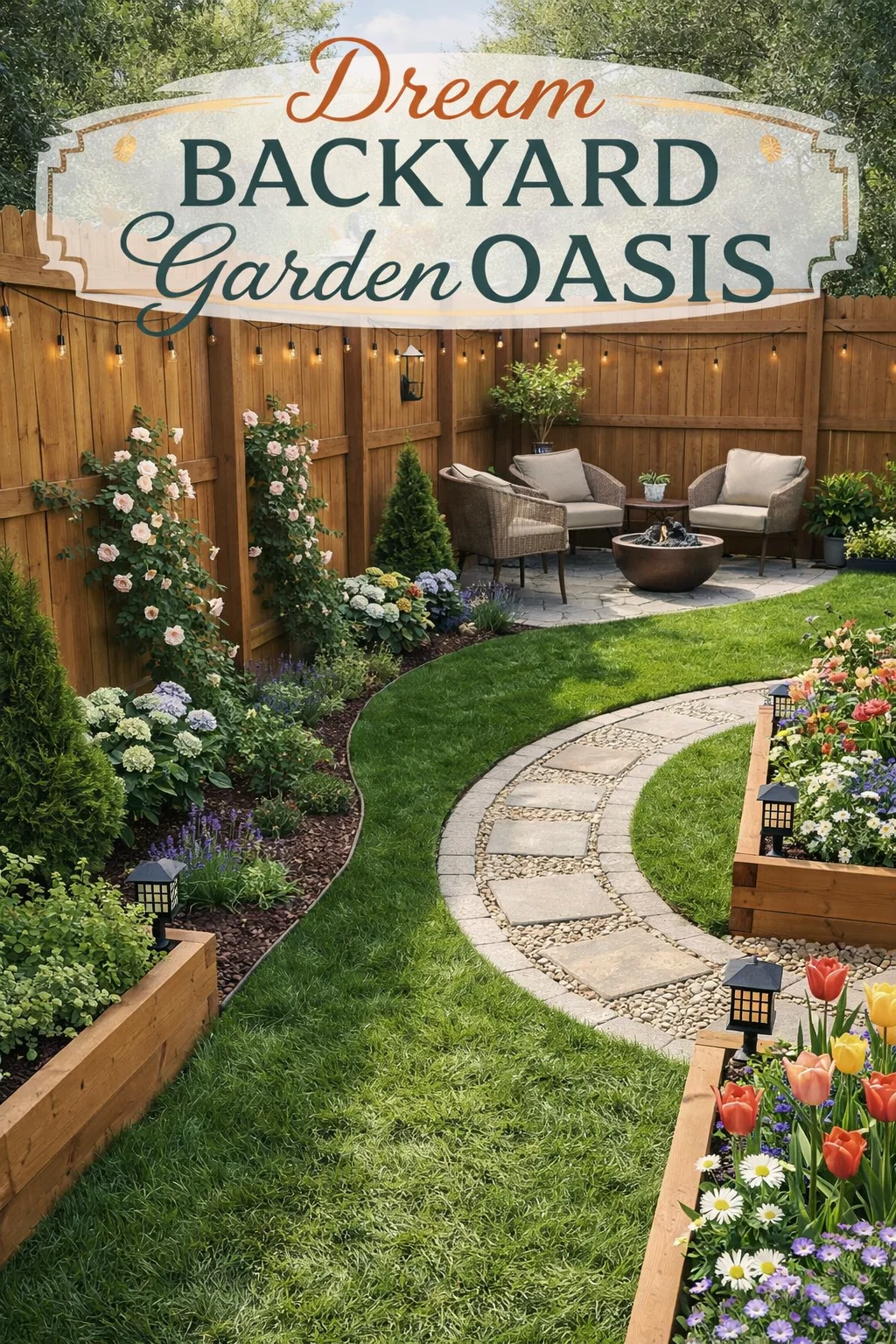
Welcome to the guide for turning your backyard dream into a reality. Look at the image above, the one that probably made you click. It’s not a photoshopped paradise; it’s a meticulously planned, achievable design that balances beauty and function. This exact setup is what many homeowners crave but struggle to execute. We will analyze precisely why this design works and how you can replicate its success in your own space, whether you have a large lot or a compact urban yard. Let’s break down the layers of a perfect backyard retreat.
The Anatomy of a Functional and Beautiful Backyard Layout
Creating a space that feels both inviting and organized requires careful consideration of how you move through it. Let’s dissect the elements that make this yard not only visually appealing but also incredibly practical.
Balancing Hardscape and Softscape
Notice the balance between the “hard” elements and the “soft” elements. The hardscape (the stone pathway and the gravel base for the seating area) provides structure and a clear, defined space for activities like walking and lounging. If the entire area were lawn, it might feel unanchored; if it were all paved, it would feel cold and sterile.
The softscape (the lawn, the raised flower beds, and the border planting) softens the lines of the hardscape and integrates the yard with nature. The key to this successful layout is that neither element is allowed to dominate. The winding path creates movement, while the large central lawn provides a spacious field of green. You can replicate this by calculating your desired seating area size and then allocating a slightly larger area to garden beds or lawn to maintain a balanced feel.
Creating Distinct “Rooms” Within Your Yard
This image perfectly illustrates the concept of “outdoor rooms.” While it’s one single backyard, it feels like three distinct spaces: a garden bed zone, a grassy corridor, and a social seating area. The path acts as the corridor that links them. This layout makes even a moderate-sized yard feel larger because your mind must navigate different experiences as you move through it.
To implement this, decide on your yard’s primary functions. If you love entertaining and gardening, separate those functions. The raised beds in the foreground are a dedicated food and flower zone, clearly separated from the lounging area. You don’t have to navigate past tomato plants to reach your chair, but you get to enjoy the view of them. This separation prevents visual clutter and maximizes the utility of every square foot.
Choosing Materials for Durability and Aesthetics
The materials selected in this yard are both beautiful and durable, a winning combination for any exterior design. They contribute to a cohesive, slightly polished rustic look that feels high-end yet accessible.
The Benefits of Natural Wood Fencing and Planters
The most dominant material is the natural wood, seen in both the privacy fence and the raised garden beds. This creates an immediate sense of consistency and warmth. Natural cedar or redwood is often used for this purpose because of its natural resistance to rot and insects, meaning it will age gracefully over decades rather than years.
Using the same material for the planters visually connects them to the perimeter fence. This repetition is a powerful design trick that makes the space feel harmonized. It’s a great idea to build your raised beds from the same lumber you might use to stain your deck, or at least from a matching type of wood, rather than using contrasting concrete blocks.
The Practicality of a Paver and Gravel Combo
Now let’s look down. The winding pathway uses simple, square, grey pavers set within a pea gravel border. This is not only beautiful but extremely practical. A full paver patio requires a flawless base, sand, and edge restraints to keep it from shifting. By using a paver and gravel combo, you can achieve a similar effect with less labor and materials.
The gravel provides excellent drainage, reducing pooling during heavy rain. It’s also very forgiving of errors; if you set a paver slightly too low, you can just lift it and add more base material without tearing up the entire project. This is a highly recommended approach for DIYers. Plus, the light texture of the pea gravel beautifully contrasts with the dark, rich soil in the garden beds.
Mastering the Art of Vertical and Border Planting
A beautifully designed yard can be ruined by poorly planned landscaping. The design we are looking at is masterful because it uses plants not just to look pretty, but to build structure and add vertical interest.
Maxing Out Your Privacy Fence with Climbing Plants
Instead of leaving the wooden fence bare and monolithic, the designer has turned it into a living tapestry. Notice the use of climbing plants, likely climbing roses, trained up simple trellises along the back perimeter. This single choice adds dramatic height, texture, and color to the perimeter of the yard.
It draws your eyes upward, making the space feel more substantial. It also softens the hard, rigid lines of the fence, giving the space a lush, overflowing feel. You can duplicate this by installing some simple wire or wooden trellises against your fence and planting a hardy climber like a New Dawn rose or an Armand Clematis. Within a year, your boring fence will be an eye-catching backdrop.
Designing for a Long Blooming Season
The planting choice also suggests a carefully thought-out schedule. We see classic spring flowers like tulips and daffodils in the foreground raised bed, mixed with summer-blooming hydrangeas and fragrant lavender in the borders. There are also evergreens, like the small pine near the seating area and the low-growing boxwoods, which ensure the yard still has color and structure during the winter months.
A great garden designer doesn’t just pick flowers for one season; they plan for all four. They mix annuals for quick color (like the tulips) with perennials for year-after-year beauty (like the lavender and roses), and evergreens for all-season structure. To replicate this, draw a sketch and note which plants bloom when, then ensure you have overlap.
Creating a Focal Point and Setting the Mood
A good design always tells you where to look, and it uses lighting to extend its usability into the evening. This image nails both.
The Social Power of a Central Fire Pit
The furniture arrangement in the back corner of the yard is positioned around a fire pit. This is the ultimate backyard focal point. It immediately tells you, ‘This is where we relax; this is where we gather.’ By positioning the chairs to face each other with the fire in the middle, it establishes a welcoming and social atmosphere.
Placing the primary seating area farthest from the camera creates a sense of destination. You can choose a simple, modern gas fire table like the one pictured, or build a more rustic wood-burning fire pit, but ensure you place it on a heat-safe surface like the paver patio, never on the lawn. This area becomes your backyard’s anchor, a visual and emotional center for your outdoor life.
Extending Your Yard’s Utility with Layered Lighting
Finally, we cannot ignore the lighting. String lights are a simple and powerful way to make an outdoor space magical. Hung from fence post to fence post, they provide a warm, low-glare, ambient wash of light that makes the area feel like an open-air bistro.
But they aren’t the only lights. Look closer along the path. Small, integrated pathway lights, likely solar-powered, illuminate the walking surface and highlight the texture of the gravel and pavers. Combining these two types of lights is essential. String lights create mood; path lights ensure safety. You can easily duplicate this by purchasing affordable outdoor string lights and a few simple solar-powered stakes for your own garden beds.
Integrating Comfort and Style with Furnishings
A yard is to be used, not just viewed. The furniture selection here perfectly complements the sophisticated, relaxed aesthetic of the landscape design.
Selecting All-Weather Furniture for Worry-Free Enjoyment
The choice of furniture, particularly the woven, resin-wicker chairs with light, plush cushions, is a perfect blend of style and durability. Resin wicker has the natural look of rattan but can withstand rain, sun, and frost without cracking or rotting. Choosing high-performance, weather-resistant fabric like Sunbrella for the cushions is equally crucial. This makes the furniture an actual practical investment, not just a stage prop.
The light fabric pops against the dark wicker and wood, preventing the furniture from feeling too heavy. A simple, modern side table is all that’s needed to complete the cozy conversational grouping. For your own yard, consider furniture that mirrors the textures already present in your landscape, like using wood-accented chairs if you have a wood deck, and never skimp on the durability of your cushions.
Final Thoughts for Your Unique Backyard Project
Take another deep look at that image. You now understand that its beauty isn’t magic; it’s the combination of specific, actionable choices. The balanced layout, the durable material selections, the layered planting, the clear focal points, and the extended use through lighting and comfortable furnishings all come together to create a cohesive retreat.
This yard works because it addresses every element. It’s practical, it’s beautiful, and it’s layered with texture and light. Don’t feel overwhelmed by the entire scene. Start with one element. Maybe it’s putting up a trellis for some roses, or framing out a new path with simple materials. Focus on getting that single part right, and then add another layer. Bit by bit, you can build your own version of this serene outdoor oasis, uniquely tailored to your life and your budget.